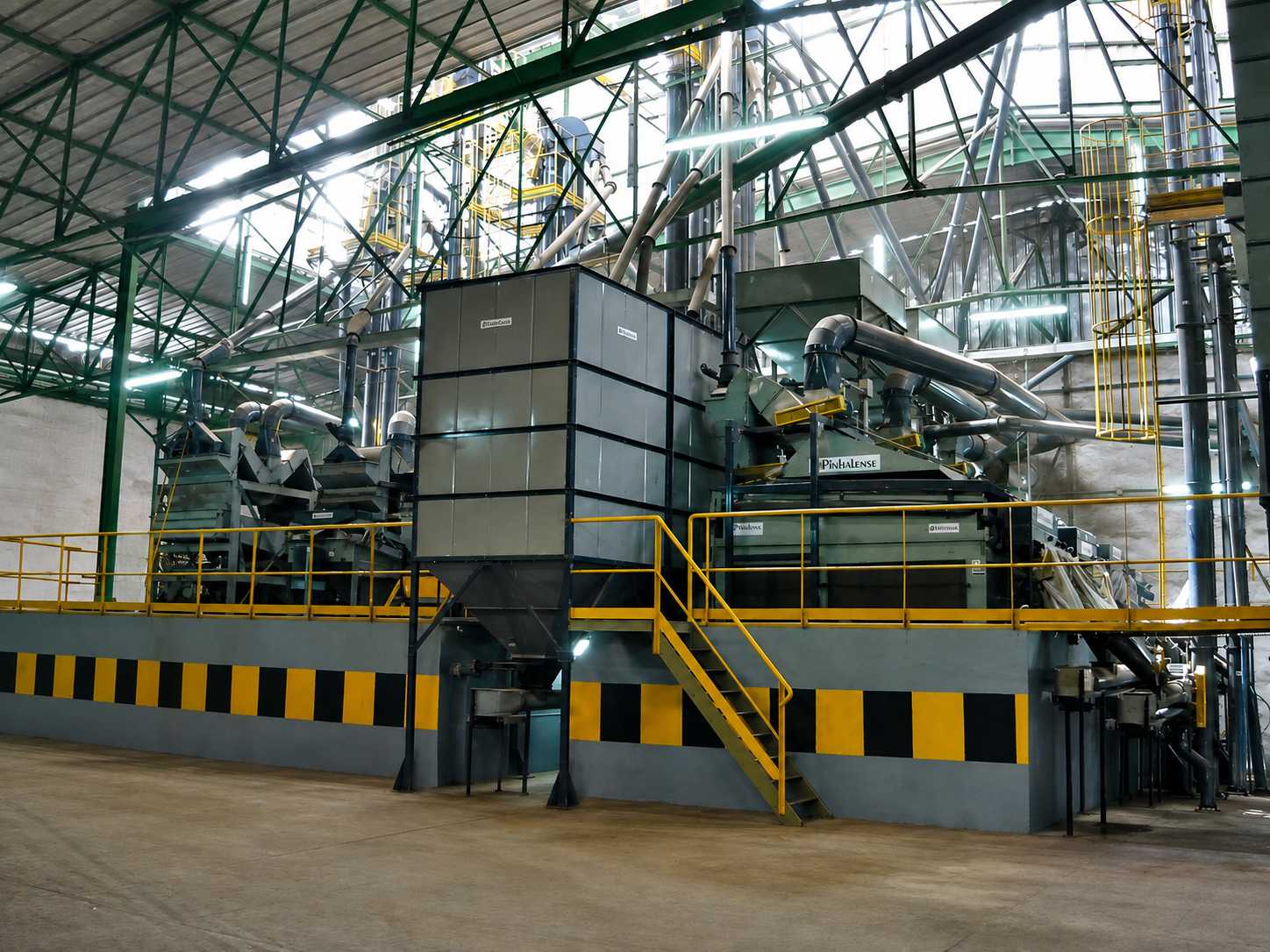
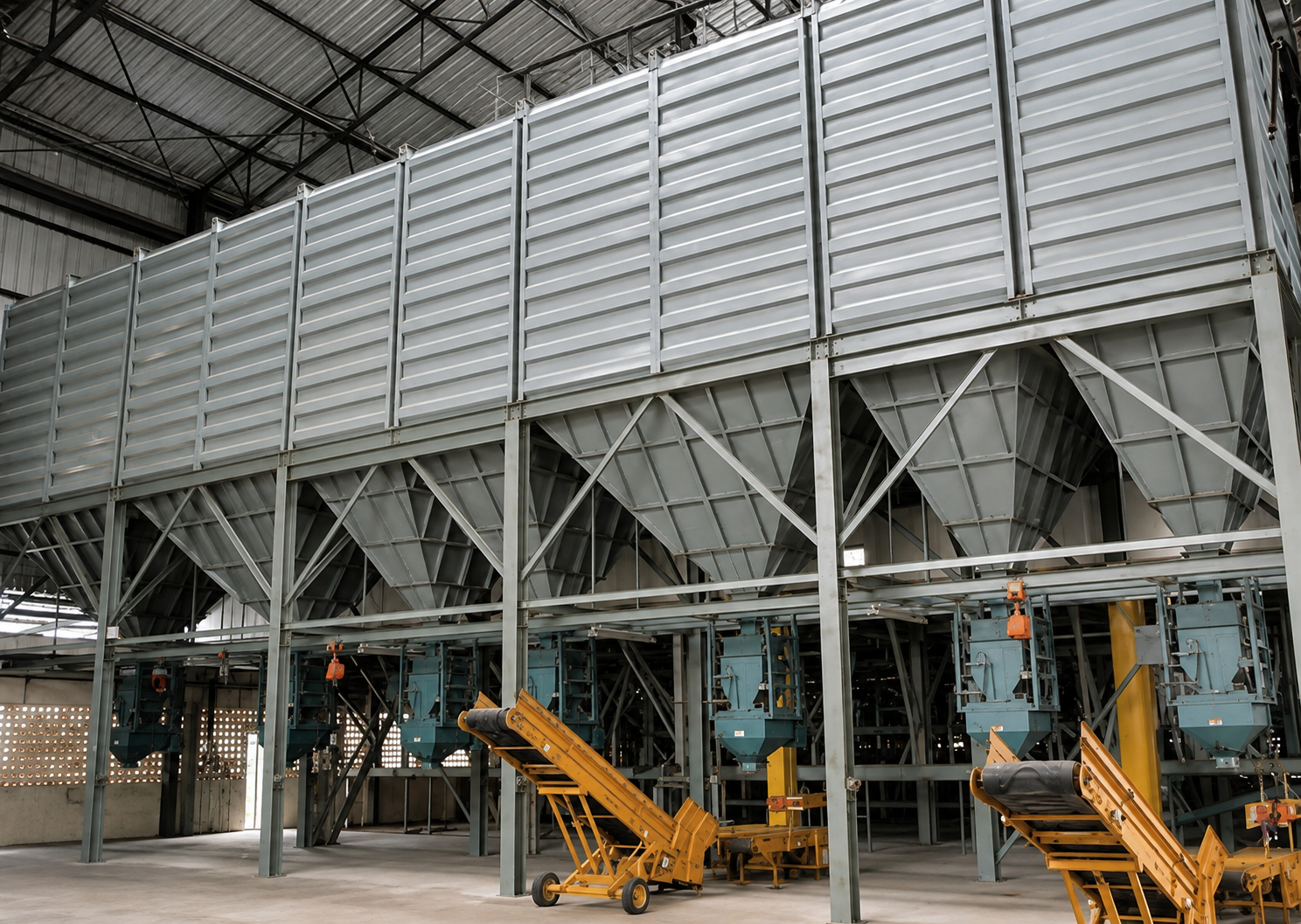
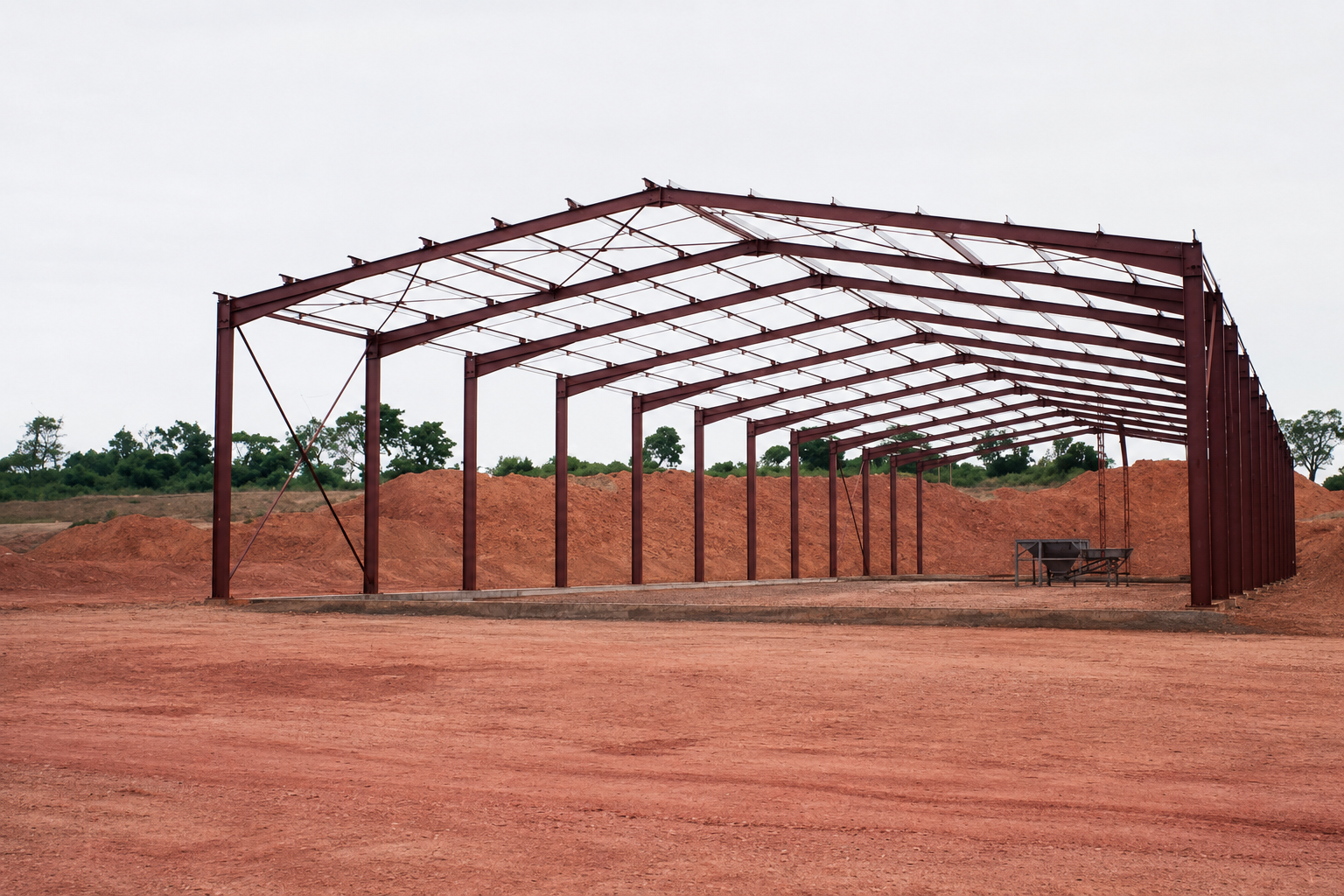
{{ d.num }}
{{ d.mark }}
{{ d.title }}
{{ d.body }}
LEARN MORE → THULIUM ENGINEERING
ENGINEERING • PROJECTS • EQUIPMENT
THULIUM ENGINEERING
ENGINEERING • PROJECTS • EQUIPMENT
Thulium brings engineering, project execution, process integration and proprietary equipment together under one accountable industrial partner.
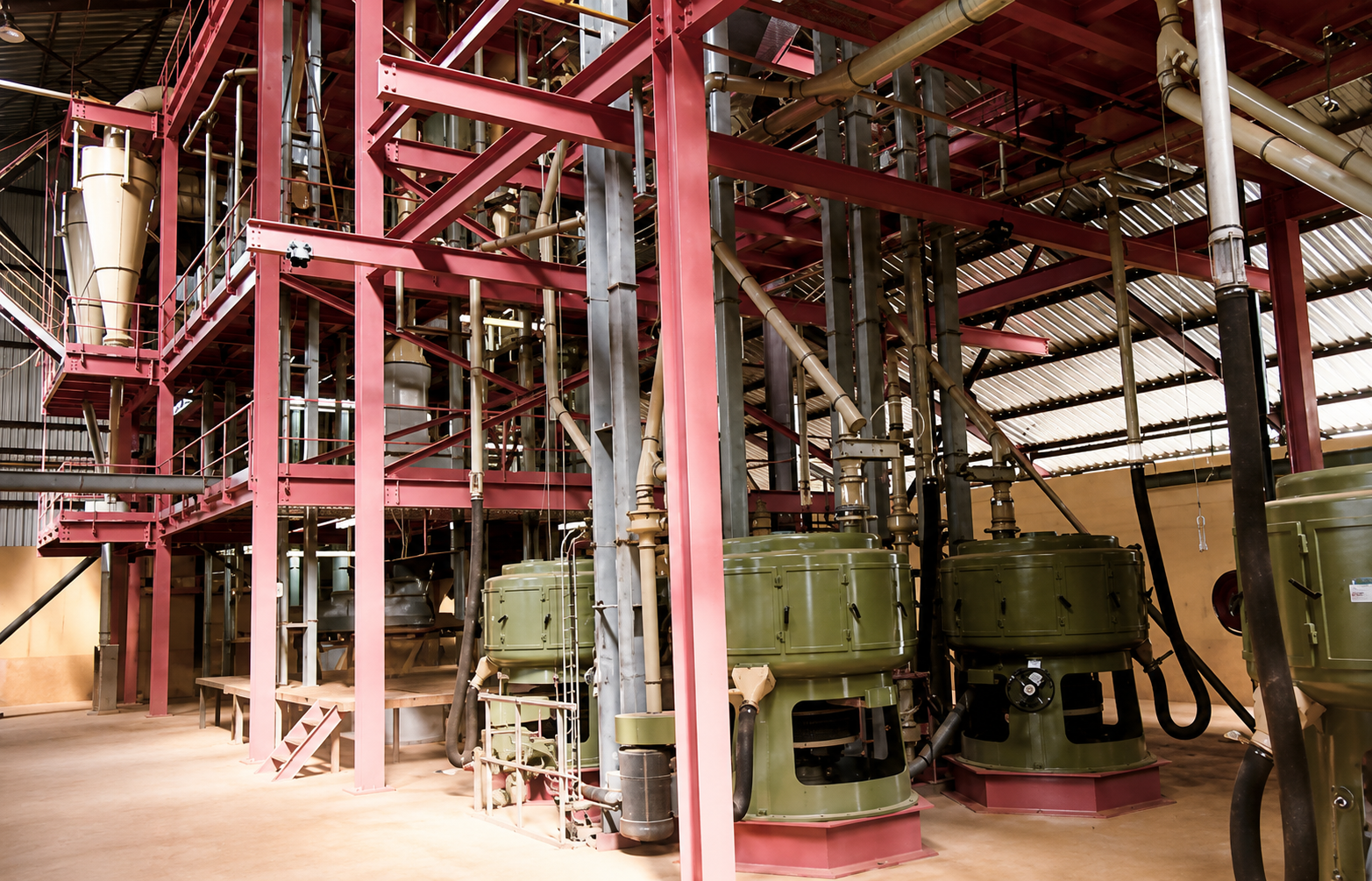
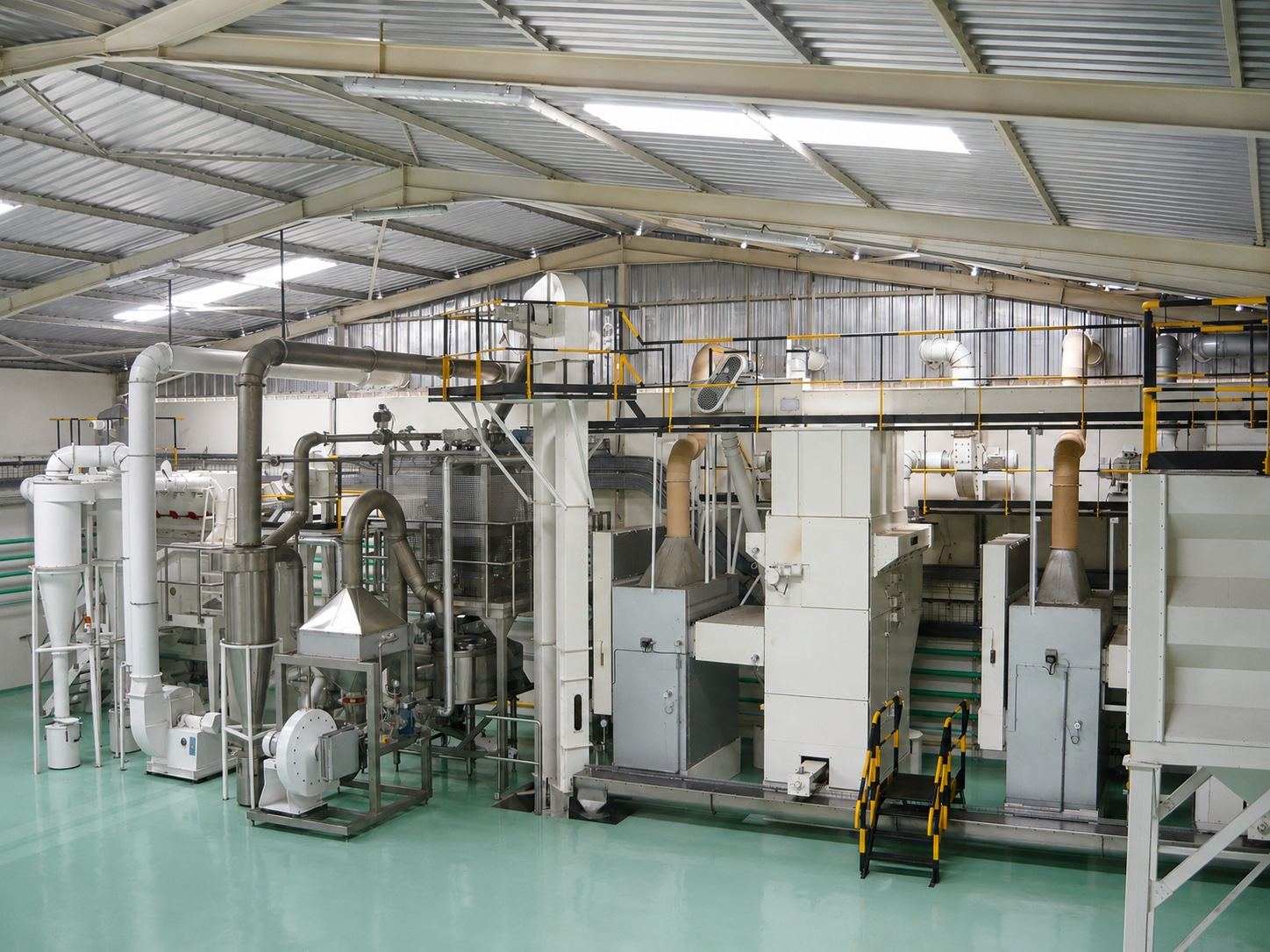
We support industrial investments through a combination of multidisciplinary engineering, international sourcing and strong field execution. Our role can range from early project definition to turnkey delivery, commissioning and lifecycle support.
The structure makes the full scope of Thulium visible: engineering, execution, process, equipment and advisory under one roof.
{{ d.body }}
LEARN MORE →Real projects across process plants, steel construction and site execution, delivered with our own engineering and field teams.
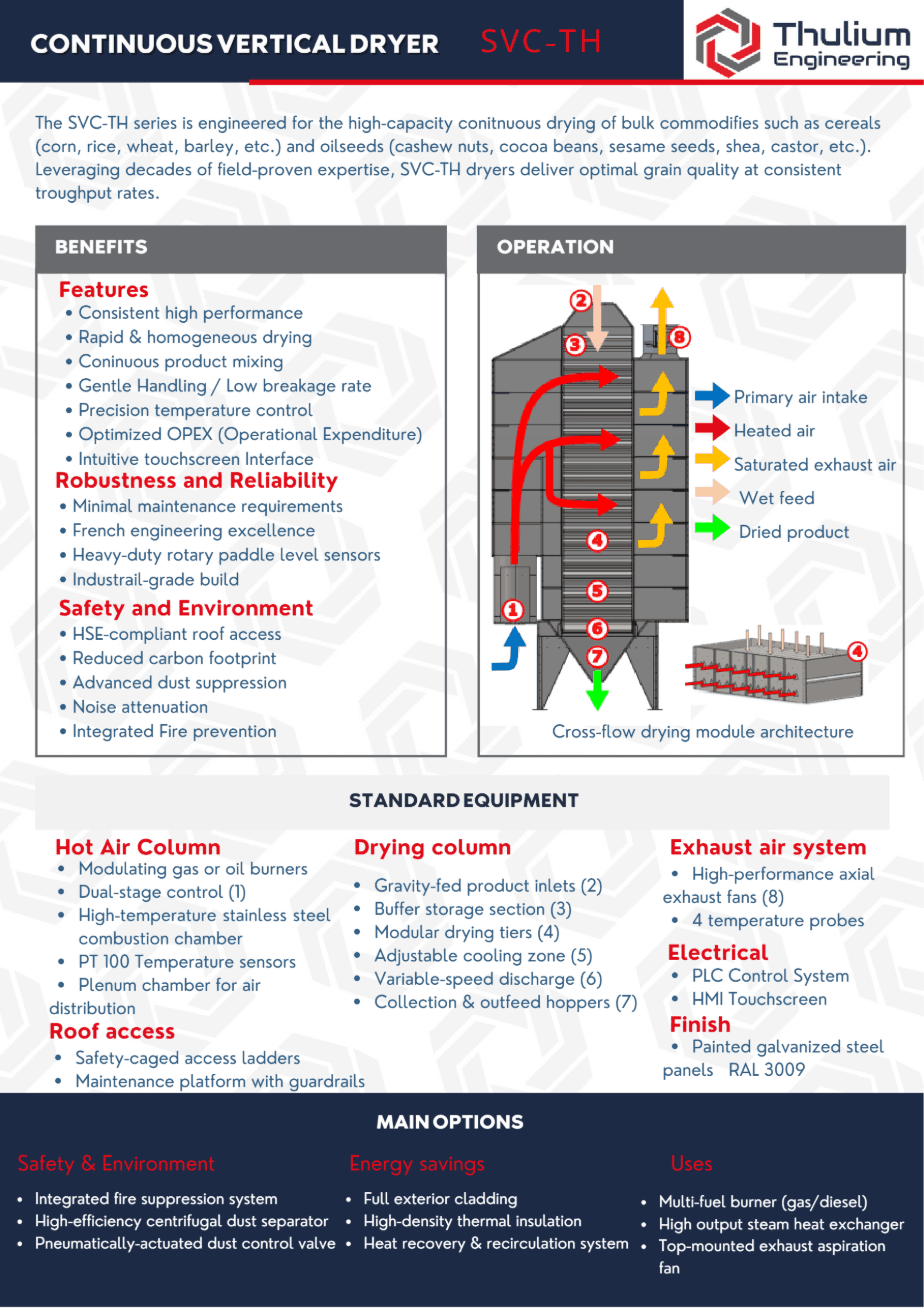
Thulium-designed equipment stands apart from the third-party technologies we integrate into complete lines.
{{ l.body }}
Each department can act alone, but they are built to work as one delivery chain.
A client can engage Thulium for a feasibility study, an authority submission, a BOQ review, a single equipment package or a full turnkey plant. The value comes from the fact that the same team carries the technical logic through every following stage.
That continuity is what removes the interface losses that usually appear between designer, supplier and contractor.
Thulium works where raw agricultural material becomes an industrial product. These sectors share the same engineering problems: high throughput, hygiene, dust and explosion risk, heat recovery, continuous operation and equipment that has to survive a demanding environment.
{{ i.body }}
Recognising them early is what keeps a project from being redesigned during construction.
Our own equipment range sits apart from the third-party technologies we integrate.
Thulium designs and manufactures process equipment for grains, oilseeds and cocoa. Because we also engineer and install complete lines, each machine is specified against real plant conditions: available utilities, ambient dust, local maintenance capability and the throughput the rest of the line can actually absorb.
Standard models can be adapted, and fully custom units are engineered when the project requires it.
{{ e.body }}
Datasheets, dimensional drawings, utility requirements, installation guidance, operating manuals and spare-part lists are prepared as part of the supply, not requested afterwards.
{{ p.body }}
European engineering discipline, applied where the plants are actually built.
The group is organised around three complementary functions rather than three separate companies chasing the same work. Engineering and contractual control sit in France, execution capability sits close to the projects in Africa, and international sourcing runs through Mauritius.
That arrangement is what lets a client keep one engineering counterpart while the work happens across several countries and time zones.
{{ l.body }}
{{ v.body }}
Whether you have a concept, a design to challenge or a plant to build, the first conversation is technical.
{{ o.detail }}
info@thulium-engineering.com
+33 2 52 47 05 03
www.thulium-engineering.com
Thulium turns an investment intention into a project that can be approved, priced, procured and built. We identify what must be defined, challenged, coordinated and frozen before execution begins.
Our role can start with feasibility and project definition, continue through authority engineering and multidisciplinary design development, and extend into constructability, interface management, BOQ review, cost engineering and procurement readiness.
Every stage reduces uncertainty before the project moves into procurement and construction.
The disciplines are integrated around decisions, interfaces and project readiness rather than delivered as disconnected studies.
{{ c.body }}
Industrial projects must satisfy more than technical performance. Applicable regulations, industrial-zone requirements, local approval procedures and independent technical reviews are integrated into the engineering process before the design is frozen.
Authority Phase followed by detailed engineering up to BOQ, with site development and permitting integrated into the early project programme.
Constructability links engineering decisions to real site conditions, logistics, heavy equipment installation, weather, local contractor capability and construction sequencing.
Every optimisation is tested against the total project outcome rather than only the purchase price.
Each option is reviewed against five dimensions before it becomes a design decision.
Typical topics include masterplan, earthworks, building geometry, structural systems, material handling, utility sizing, energy strategy, hygiene, maintainability and future expansion.
Examples of design choices reviewed in the current development programme:
Thulium identifies, documents and closes technical interfaces before they become site problems.
The exact package is adapted to project maturity, contracting strategy and the responsibilities of other designers and OEMs.
Industrial execution is not a sequence of isolated contracts. It is the controlled synchronisation of design release, procurement, fabrication, logistics, civil works, structures, utilities, process installation and start-up.
Thulium can operate under EPC, EPCM or hybrid delivery structures according to design maturity, Owner capability, risk allocation and commercial strategy.
The construction phase is managed as a connected flow, not as independent supplier schedules.
The right model depends on how mature the design is, how much risk the Owner wants to transfer, where cost visibility matters, and how much local construction capability already exists.
{{ m.body }}
Each function is controlled against the same baseline: scope, schedule, interfaces, QHSE, cost and readiness.
{{ c.body }}
Procurement is synchronised with engineering approvals and the construction critical path. Every major package receives a required-on-site date and a latest safe order date.
One continuous logistics view from fabrication origin to site readiness. Contractual boundaries for freight, port handling, customs, inland transport and offloading are defined package by package.
Commissioning starts before equipment arrives. Test plans, system boundaries, interface responsibilities and acceptance criteria are prepared early enough to make start-up a controlled phase rather than a final improvisation.
{{ dept.statement }}
{{ dept.intro1 }}
{{ dept.intro2 }}
{{ c.body }}
{{ dept.detailBody }}
Bring us in early. We can help define the right technical and execution strategy.